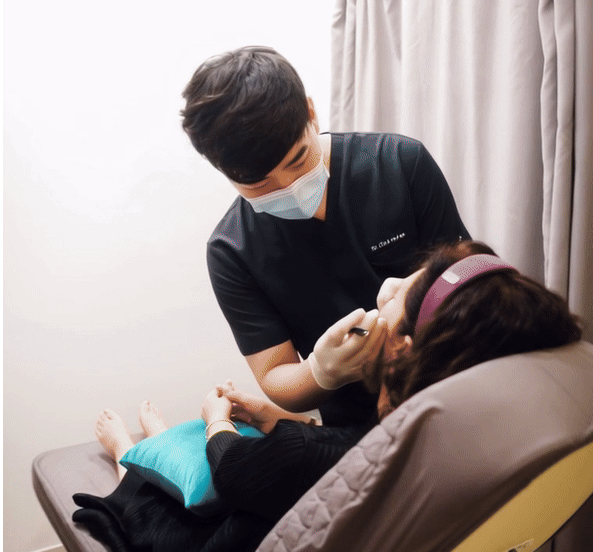
Eye wrinkles are one of the first signs of aging that many people notice. In particular, 'crow's feet' that radiate outwards from the outer corners of the eyes when smiling, and fine wrinkles that form as the skin under the eyes thins and loses elasticity, are major factors that make one look more tired and older than their actual age, going beyond mere cosmetic concerns.
However, eye wrinkles do not arise from a single cause. Multiple mechanisms are involved, including repetitive muscle contractions, collagen degradation in the dermis, redistribution of periorbital fat compartments, and photoaging due to UV exposure. Consequently, treatment strategies must also vary. This column systematically organizes everything from the anatomical mechanisms of eye wrinkle formation to clinical treatment approaches.
1. Anatomical Mechanisms of Eye Aging
Repetitive Contraction of the Orbicularis Oculi Muscle
The most direct cause of crow's feet is the repetitive contraction of the orbicularis oculi muscle, which encircles the eyes. This muscle activates every time one closes their eyes, smiles, or squints. These thousands of daily contractions form dynamic wrinkles on the skin. Initially, they are 'expression lines' that appear only during muscle contraction, but over time, they become fixed 'static wrinkles' where the skin folds remain even without muscle contraction.
Changes in Dermal Structure
The skin around the eyes is one of the thinnest areas of the face (less than approximately 0.5mm). After the age of 20, the rate of collagen and elastin production decreases, and the activity of degrading enzymes (MMPs) increases, causing the dermis to gradually thin and lose elasticity. Hyaluronic acid, responsible for moisture retention, also decreases, leading to dry skin and the formation of fine wrinkles.
Redistribution of Periorbital Fat Compartments
Several fat compartments are located in the eyelids and under the eyes. As aging progresses, these fat compartments atrophy or sag, leading to laxity of the skin around the eyes and deepening of wrinkles. Furthermore, orbital fat herniation can cause a sunken line below the bulging tear trough, along with a general deterioration of skin texture around the eyes.
Ultraviolet Rays and Photoaging
Ultraviolet (UV-A, UV-B) rays directly destroy collagen structures in the dermis and exacerbate oxidative stress through free radicals. Increased UV exposure tends to accelerate the onset and deepen the severity of eye wrinkles. Wrinkles caused by photoaging are predominantly static and have limitations in improvement with muscle relaxation alone.
2. Types and Clinical Classification of Eye Wrinkles
Since the treatment approach for eye wrinkles varies depending on the mechanism and location of formation, accurate classification is the starting point for treatment planning.
Crow's Feet (Lateral Canthal Lines)
These are wrinkles that radiate from the outer corner of the eye, formed by the repetitive contraction of the lateral part of the orbicularis oculi muscle. Initially, they are dynamic wrinkles appearing only when smiling, but they can progress to static wrinkles visible even in a relaxed state. This area responds very well to treatment, with dramatic improvements possible with Botox alone.
Infraorbital Fine Lines
These are fine wrinkles caused by thinning and dryness of the skin under the eyes, primarily due to decreased skin elasticity and moisture deficiency. Treatments that supply nutrients and volume to the dermis, such as skin boosters and Rejuran, are more effective than Botox.
Supraorbital Lines
These wrinkles form above the eyelids due to the combined action of the forehead muscle (frontalis) and the glabellar muscles. It is effective to approach this in conjunction with forehead and glabella Botox treatments.
Static Rhytids
These are wrinkles that have become fixed in the skin, even without facial expressions. This type requires a comprehensive approach including collagen remodeling, filler augmentation, and laser treatments.
3. Treatment Strategies for Eye Wrinkles
① Botox (Botulinum Toxin A) — Key Treatment for Dynamic Wrinkles

The primary treatment for crow's feet is Botox. Injecting a small amount of Botox into the lateral fibers of the orbicularis oculi muscle inhibits excessive muscle contraction, reducing skin folding and alleviating wrinkles.
Clinically, precision in dosage and injection site is crucial. The eye area is sensitive, with potential side effects like lower eyelid laxity, drooping, or asymmetry. Therefore, injections should be administered at least 1 cm away from the orbital rim, and the dosage must be carefully designed to selectively block over-contraction while maintaining muscle movement.
Botox effects typically appear 3-7 days after injection and last for 3-6 months. Regular treatments can lead to changes in muscle movement patterns, gradually slowing the rate of wrinkle recurrence and offering long-term improvement.
② Skin Boosters & Rejuran Healer — Improving Fine Under-Eye Wrinkles and Skin Texture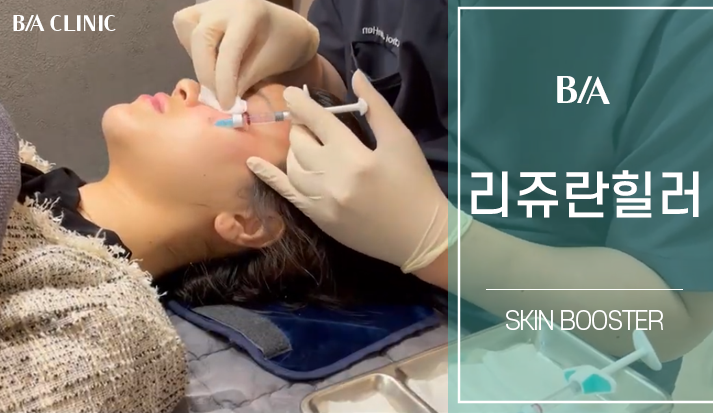

Since the core causes of fine under-eye wrinkles and decreased skin elasticity are moisture deficiency and collagen loss in the dermis, treatments that directly supply nutrients to the dermis are effective.
Skin boosters (e.g., Juvederm Volite, Restylane Skinbooster) involve micro-injections of low-viscosity hyaluronic acid into the dermis to enhance the skin's moisture-holding capacity, improve skin thickness, and boost elasticity. Rejuran Healer (Polynucleotide, PDRN) directly stimulates cell regeneration to fundamentally strengthen the dermal structure.
The skin under the eyes is very thin and rich in blood vessels, requiring the use of fine needles (32G or higher) and techniques for injecting small amounts dispersed over the area. Temporary swelling and bruising may occur post-procedure but typically resolve within 1-3 days.
③ Hyaluronic Acid Fillers — Static Wrinkle and Volume Correction
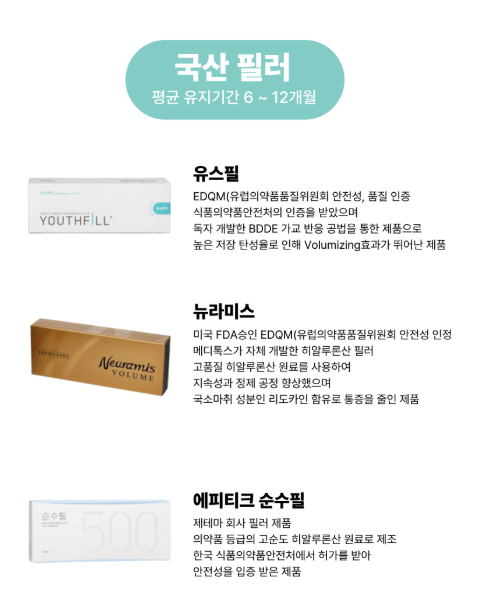
For fixed static wrinkles or when volume loss causes sagging skin around the eyes, volume restoration with small amounts of hyaluronic acid filler is effective. In cases of under-eye hollowness, integrating tear trough filler with fine under-eye wrinkle treatment enhances the overall result.
Eye filler injections are close to orbital blood vessels, posing a risk of vascular compression or embolism. Therefore, techniques like using a blunt cannula to minimize pressure or precise injection at points avoiding high-risk vascular areas are recommended.
④ Laser & Radiofrequency Treatments — Dermal Remodeling

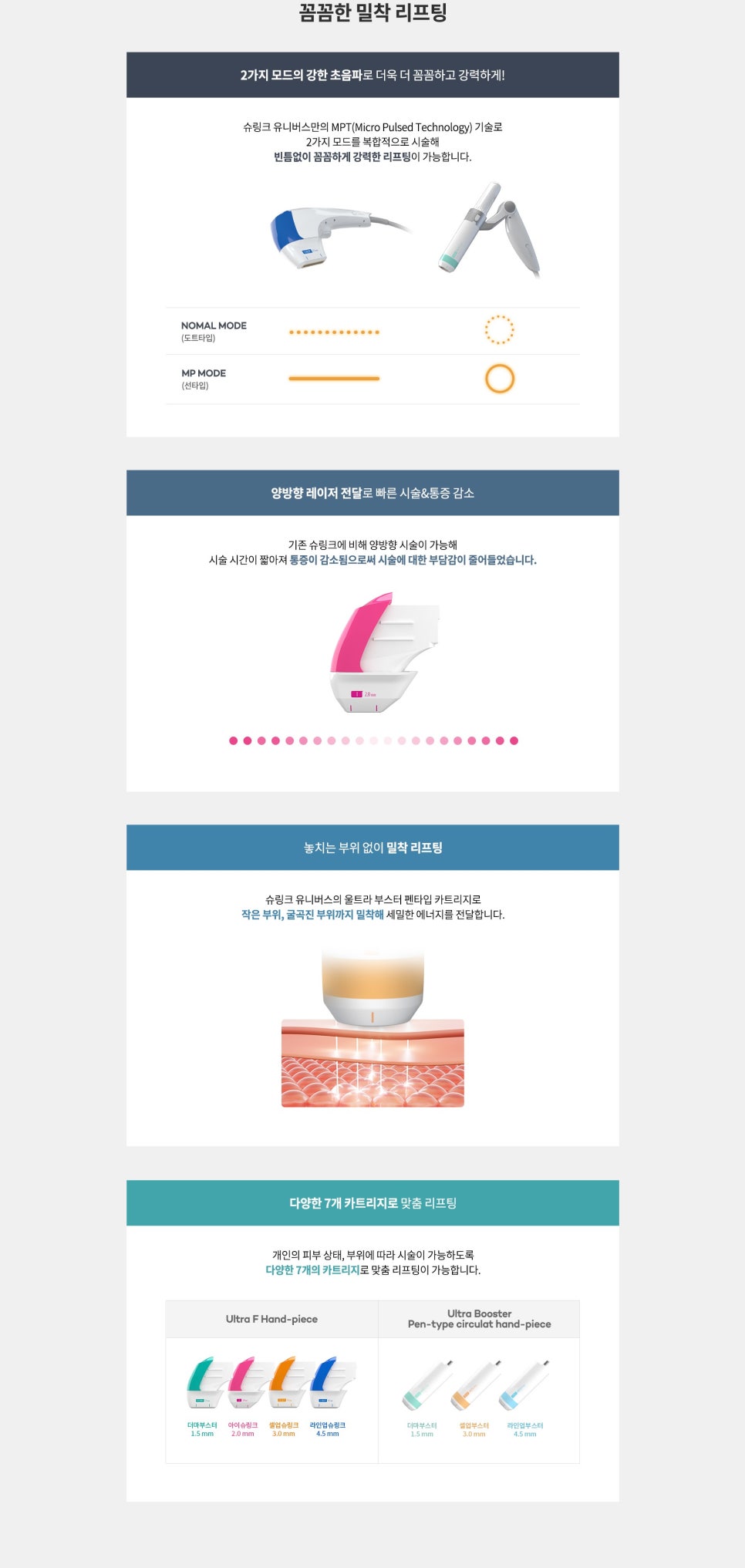
Laser or radiofrequency-based treatments are used in conjunction for photoaging-induced static wrinkles and improving skin texture.
Fractional lasers or CO2 lasers induce micro-injuries in the skin, promoting collagen neogenesis and providing long-term improvement of eye wrinkles. Radiofrequency (RF) based devices like InMode and Ultherapy stimulate collagen contraction and remodeling by applying thermal energy to the deep dermis without damaging the skin surface, effectively treating eye wrinkles and sagging skin.
During laser treatments around the eyes, a metal eye shield must be worn to protect the eyeballs. The operator's experience and precise equipment settings are critical for safe and effective results.
4. Synergy of Combined Treatments
Complete improvement of eye wrinkles is often difficult with a single treatment. Clinically, the most effective approach is a combined treatment strategy based on the underlying mechanisms.
For example, if dynamic wrinkles are predominant, Botox is recommended as the initial treatment, followed by skin boosters to enhance skin elasticity. If static wrinkles are already deep, a combination of laser treatment to induce collagen regeneration and subsequent fine volume correction with fillers is effective.
The treatment sequence, interval, and dosage for each procedure must be individualized based on the patient's skin thickness, wrinkle depth, and elasticity. Therefore, precise skin analysis and treatment planning during the initial consultation are essential.
5. Post-Treatment Care and Precautions
After Botox injections, it is important not to press or massage the treated area for at least 4 hours. Avoid strenuous eye movements (e.g., forceful blinking, strong facial expressions) on the day of treatment, as this can cause the medication to spread. For skin boosters or filler injections, it is recommended to avoid sun exposure, alcohol, and saunas for 48 hours.
As the eye area is highly mobile, regular follow-up treatments (Botox every 3-6 months, skin boosters recommended for 3 or more sessions at 2-4 week intervals) are crucial for maintaining results. Additionally, consistent use of sunscreen, adequate sleep, and proper moisturizing of the eye area are important.
Eye Wrinkle Management with BA Clinic
At BA Clinic, we conduct a precise analysis of eye wrinkle types, comprehensively evaluating the ratio of dynamic to static wrinkles, skin thickness and elasticity, and periorbital volume status to create a personalized treatment plan.
Our approach goes beyond simply eliminating wrinkles; we aim to fundamentally manage aging by maintaining overall balance and natural facial expressions around the eyes. If you are concerned about eye wrinkles, we encourage you to visit BA Clinic for an accurate diagnosis and personalized treatment consultation.