Acne is not just a simple skin problem, but a sebaceous gland disorder
Acne vulgaris is one of the most common skin conditions, experienced by approximately 85% of the global population at least once in their lifetime. However, misconceptions such as "it heals with good cleansing" or "it naturally disappears after adolescence" are still prevalent, often leading to inadequate treatment and complications like scarring or hyperpigmentation.
Clinically, acne is a complex inflammatory disease centered around the sebaceous glands and hair follicles. Effective results can be expected by accurately understanding its pathogenesis and establishing a treatment strategy tailored to the cause.
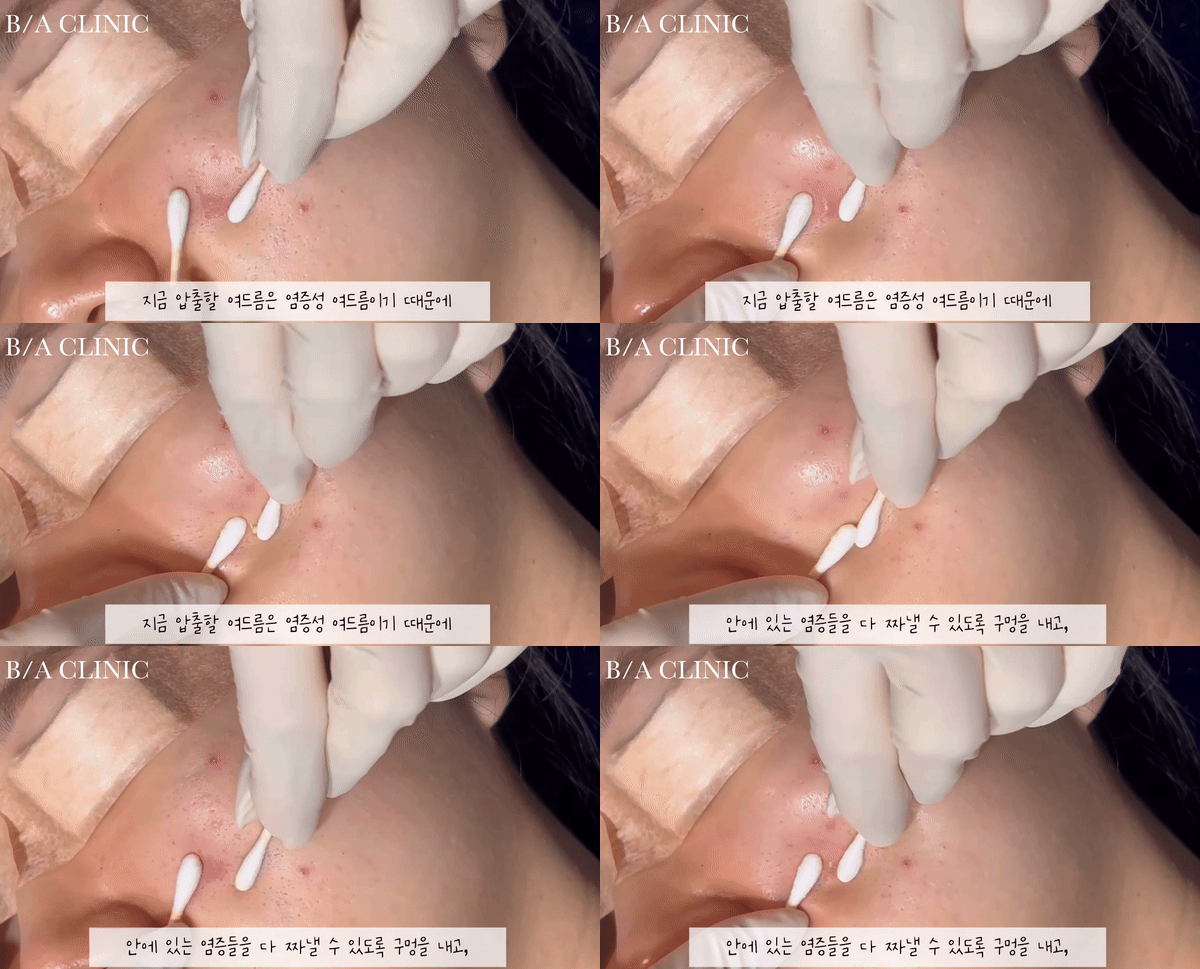
1. Four Key Pathophysiological Mechanisms of Acne
Four key mechanisms interact in the development of acne.
① Sebum Hypersecretion
Sebaceous glands secrete sebum under the stimulation of androgen hormones. Sebum production increases significantly when androgen levels rise, particularly during puberty, menstrual cycles, and stressful situations. Excessive sebum acts as a substrate that blocks the hair follicle, creating a nutrient-rich environment for bacterial growth.
② Follicular Hyperkeratinization
Epidermal cells normally shed in a regular cycle. However, if the shedding of keratinocytes within the hair follicle is impaired, a 'comedo' is formed. Both open comedones (blackheads) and closed comedones (whiteheads) are products of this hyperkeratinization process. This is why retinoid-based ingredients act at this stage.
③ Cutibacterium acnes Proliferation
C. acnes, formerly known as Propionibacterium acnes, is a commensal bacterium that prefers the anaerobic environment within hair follicles. It breaks down sebum, producing free fatty acids, which trigger inflammatory responses in the surrounding follicular tissue. C. acnes stimulates the release of pro-inflammatory cytokines such as IL-1β and TNF-α through Toll-like receptors (TLR2, TLR4).
④ Inflammation and Tissue Damage
The combined action of the above three mechanisms leads to the accumulation of immune cells (neutrophils, macrophages) around the hair follicle, forming papules, pustules, nodules, and cysts. Nodulocystic acne can cause destruction deep into the dermis, leaving scars or depressions.
2. Clinical Classification of Acne
Acne is classified based on the type and severity of lesions as follows:
Non-inflammatory Acne
- Whiteheads (Closed Comedo): Formed when the follicular opening is blocked, leading to a buildup of sebum and keratin. Appears white or skin-colored on the surface.
- Blackheads (Open Comedo): Formed when the follicular opening is open, and sebum oxidizes, turning black. Oxidation is the primary cause rather than bacterial activity.
Inflammatory Acne
- Papule: A red, firm elevation less than 5mm in diameter, in the pre-pustular stage.
- Pustule: A lesion filled with yellowish-white pus, easily ruptured on the surface.
- Nodule: A firm lesion larger than 5mm, located deep in the dermis.
- Cyst: A cystic lesion filled with pus and dead cells, with a high risk of scarring.
Clinically, acne is categorized into mild (Grade 1-2), moderate (Grade 3), and severe (Grade 4) using the International Global Acne Grading System (IGAS) or Investigator's Global Assessment (IGA).
3. Acne Treatment Strategies — A Phased Approach
① Topical Agents
Used as the primary treatment for mild to moderate acne.
- Retinoids: Tretinoin, Adapalene, etc., inhibit follicular hyperkeratinization and have comedolytic effects. They also promote skin regeneration and help improve hyperpigmentation in the long term.
- Benzoyl Peroxide (BPO): Has antibacterial and comedolytic effects and effectively inhibits C. acnes without inducing resistance.
- Azelaic Acid: Provides antibacterial, anti-keratinizing, and brightening effects simultaneously, and is also effective for post-inflammatory hyperpigmentation (PIH).
- Topical Antibiotics: Clindamycin, Erythromycin, etc., are used, but combining them with benzoyl peroxide is recommended to prevent antibiotic resistance when used alone.
② Systemic Agents
- Oral Antibiotics: Doxycycline, Minocycline are used for moderate to severe inflammatory acne. They have antibacterial and anti-inflammatory effects. Caution is needed regarding the emergence of resistant strains with long-term use (over 3-6 months).
- Isotretinoin: An oral retinoid used for severe nodulocystic acne, simultaneously suppressing sebum production, alleviating follicular hyperkeratinization, and exerting anti-inflammatory effects. While highly effective, it requires careful management of side effects such as contraindication during pregnancy, monitoring liver function, and mucosal dryness.
- Hormonal Therapy: For female patients where androgen excess is the cause, oral contraceptives (combined estrogen-progestin) or anti-androgen spironolactone may be considered.

4. Procedure-Based Treatments — The Core of Dermatological Approach
When medication alone is insufficient or faster improvement is desired, the following procedure-based treatments are effective.
① Pico Laser Toning
Pico lasers generate powerful photoacoustic waves in picosecond (10⁻¹² seconds) pulses. These physical waves are effective in regulating sebaceous gland function and breaking down pigmentary changes caused by inflammation. Compared to traditional nanosecond lasers, they cause less thermal damage, allowing for repeated treatments and simultaneously improving acne scars and hyperpigmentation.
② InMode RF (InMode Lifting)
InMode delivers precise fractional RF (Radio Frequency) energy deep into the dermis where sebaceous glands are located. It works by causing thermal damage directly to the sebaceous gland tissue, structurally reducing sebum production. This is effective for moderate to severe oily skin or recurrent acne. Patients often report high satisfaction due to the combined effects of sebum control and pore reduction.
③ Chemical Peeling
AHA (Alpha Hydroxy Acid, Glycolic Acid, Lactic Acid) and BHA (Beta Hydroxy Acid, Salicylic Acid) peels directly dissolve hyperkeratinization within the hair follicle, aiding in comedo resolution and sebum excretion. Salicylic acid, being lipophilic, penetrates effectively into the pilosebaceous unit, making it particularly effective for blackheads and pore-related acne. It can be used alone or in combination with lasers.
④ Extraction and Soothing Procedures
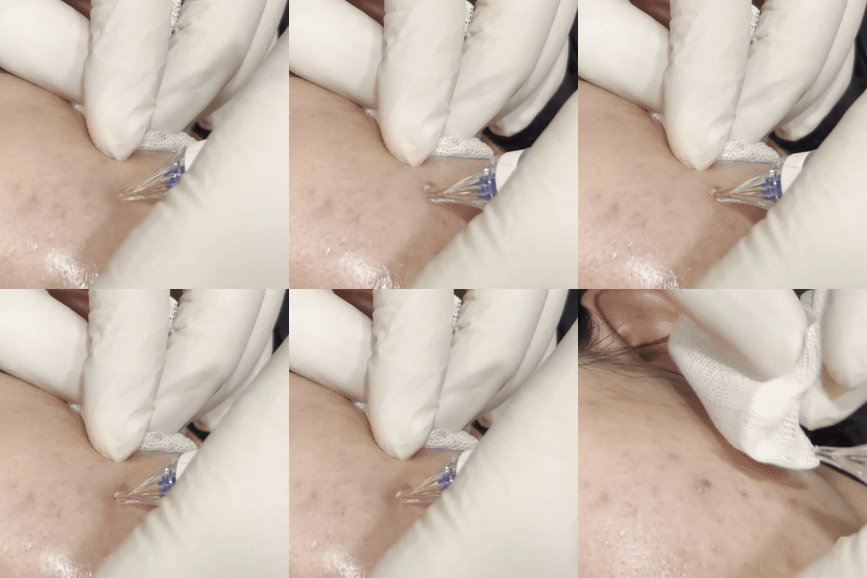
Professional extraction of exacerbated comedones and pustules, combined with radiofrequency or LED (red light 625nm for antibacterial, yellow light 590nm for soothing) therapy, helps reduce inflammation and promote faster healing. Self-extraction can lead to scarring and secondary infections, so professional treatment is recommended.
5. Often Overlooked Factors in Acne Treatment
① Management of Post-Inflammatory Hyperpigmentation (PIH)
Red or brown pigmented marks remaining after acne has healed are common and often mistaken for scars. PIH is not actual dermal damage but can darken with sun exposure. Therefore, diligent sun protection along with treatments like pico laser or topical brightening agents is necessary.
② Skin Barrier Management
Excessive cleansing, use of alcohol-based toners, and frequent exfoliation can damage the skin barrier, paradoxically increasing sebum production and worsening acne. Maintaining the skin barrier with moisturizers even during acne treatment helps enhance therapeutic efficacy.
③ Dietary and Lifestyle Factors
High Glycemic Index (GI) diets increase Insulin-like Growth Factor 1 (IGF-1), promoting sebum production and follicular hyperkeratinization. Numerous clinical studies suggest a link between excessive intake of refined carbohydrates and dairy products and acne. Sleep deprivation and chronic stress can also increase cortisol and androgen levels, exacerbating acne.
6. BA Clinic's Approach to Acne Treatment
At BA Clinic, acne treatment goes beyond simply removing lesions; we design a comprehensive treatment plan by accurately analyzing the underlying causes.
For cases where sebum hypersecretion is the primary cause, we combine selective sebaceous gland suppression with InMode RF and appropriate topical treatments. For predominantly comedonal acne, we combine chemical peels with retinoid-based therapies. For inflammatory acne with concurrent PIH, we focus on pico laser toning combined with anti-inflammatory treatments.
Especially for severe nodulocystic acne, we recommend an early combination strategy of oral treatments and procedures to prevent scarring. We also develop maintenance treatment plans to prevent recurrence after the initial treatment is completed.
Acne is not just a "temporary skin issue of adolescence." If left untreated, it can lead to permanent scars, pigment changes, and psychological distress. Accurate diagnosis of the cause and a personalized treatment plan are the starting points for effective acne management.
BA Clinic in Daejeon Dunsan-dong offers 1:1 direct consultations and procedures by the director, tailored to the type and severity of acne. If you are struggling with recurrent acne, persistent breakouts, or post-acne pigmentation, let BA Clinic help you address the root cause.