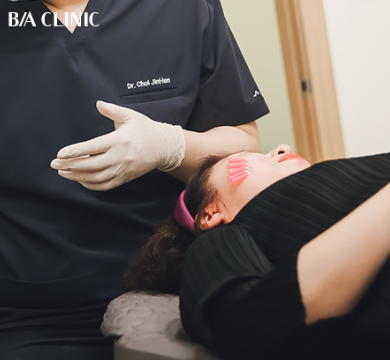
What is Thread Lifting — The Principle of 'Structural Support' Procedure Working Inside the Skin
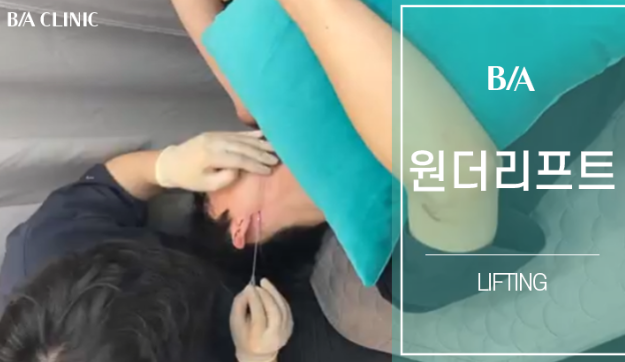
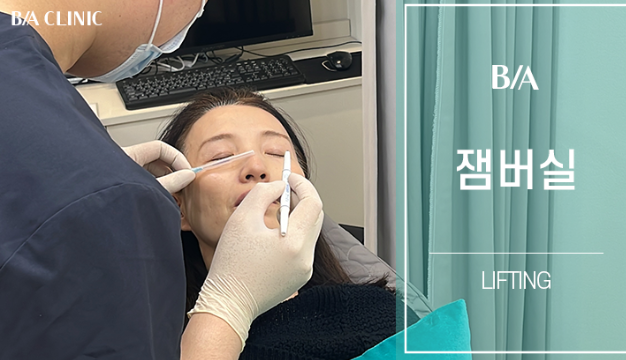
Thread Lifting is a non-surgical lifting procedure that involves inserting medical absorbable sutures into the subcutaneous tissue to physically lift sagging tissues while simultaneously inducing neocollagenesis around the inserted threads.
Unlike surgical facelifts, threads are inserted through cannulas or needles without incisions. The procedure is characterized by a short duration of 30-60 minutes and a quick recovery period. However, the effectiveness and duration of thread lifting vary significantly depending on the material, shape, and insertion technique of the threads used, making it crucial to understand these three factors comprehensively.
Characteristics by Thread Material — How PDO, PCL, and PLLA Differ
Absorbable threads currently used in thread lifting are broadly categorized into three materials. Each material differs in its absorption rate in the body, degree of collagen stimulation, and tissue response pattern, so the choice depends on the treatment objective and the patient's condition.
1. PDO (Polydioxanone)
PDO is the longest-used thread material for lifting, originally used as a suture material in cardiovascular surgery. After insertion into the body, it is hydrolyzed and absorbed over approximately 6-8 months. During the absorption process, it causes a mild inflammatory response in the surrounding tissues, promoting the synthesis of Type I and III collagen. Due to its relatively soft and flexible properties, it is often used for improving fine wrinkles or enhancing skin texture and elasticity.
2. PCL (Polycaprolactone)
PCL is a material with a significantly longer retention period in the body compared to PDO. It decomposes slowly over approximately 24-36 months, providing a continuous collagen stimulation effect during this period. It is characterized by its high molecular weight and low crystallinity, making it flexible yet possessing high tensile strength. While long-term lifting effects can be expected, precise anatomical judgment by the practitioner becomes even more critical due to the material's longer presence.
3. PLLA (Poly-L-Lactic Acid)
PLLA is a biomimetic material well-known as the main ingredient in Sculptra. It is absorbed in the body over approximately 12-18 months, inducing a strong collagen stimulation response. Compared to PDO, the tissue response is somewhat more intense, leading to an expected increase in collagen density. However, due to the possibility of nodule formation from excessive tissue response, proper control of insertion depth and spacing is essential.
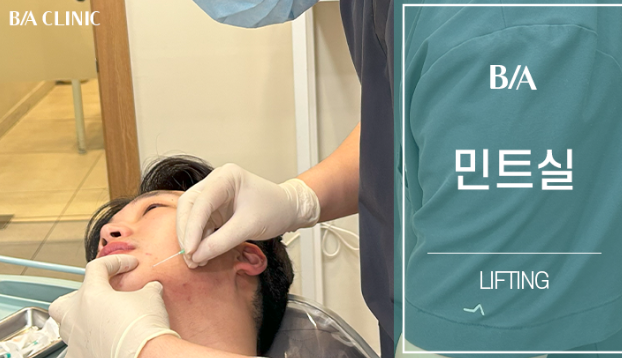

Classification by Thread Shape — Mono, Cog, and Screw Threads
Along with the material, the shape (geometry) of the thread is a key variable determining the treatment outcome.
Mono Thread: A smooth, single strand without barbs, inserted into the dermis to induce collagen production. It focuses on improving skin elasticity and texture rather than direct lifting effects.
Cog Thread: Features barbs or cogs on its surface, providing a physical lifting force by gripping surrounding tissues upon insertion. The lifting and fixation power vary depending on the directionality (unidirectional or bidirectional). It is used in areas with significant sagging due to gravity, such as the cheeks, jawline, and double chin.
Screw Thread: Consists of one or two threads twisted in a spiral shape, providing volume to the insertion area while promoting collagen production. It is utilized for areas with sunken cheeks or to improve elasticity around the mouth.
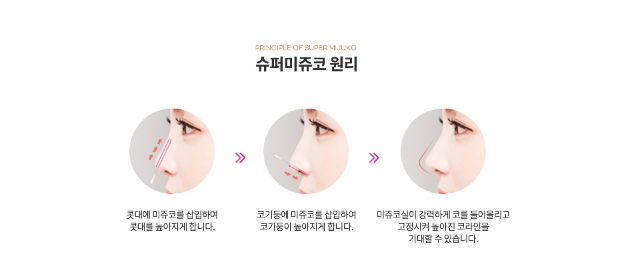
The Differentiating Factors of Miracu Lifting — Why It's Gaining Attention
Miracu is a PDO cog thread-based lifting system that possesses several structural differences compared to conventional PDO cog threads.
360-Degree Radial Cog Arrangement
Unlike typical cog threads where barbs are arranged unidirectionally or bidirectionally, Miracu features cogs arranged radially around the entire circumference of the thread. This increases the contact area with the tissue and disperses the lifting force omnidirectionally, leading to a more stable lifting effect.
Molding Method for Cog Formation
Most conventional cog threads create barbs by cutting the thread surface, whereas Miracu forms cogs using a molding (heat-molding) technique. In the cutting method, the thread diameter can decrease, reducing tensile strength. However, the molding method maintains the original thread diameter, resulting in higher breaking strength.
Dual Effect of Tissue Fixation and Collagen Stimulation
The cog structure of Miracu provides an immediate physical lifting effect upon insertion. Simultaneously, it induces neocollagenesis through the inflammatory response generated during the PDO's hydrolysis process. This means that the immediate lifting effect and the gradual elasticity improvement effect occur in combination with a time lag.
Suitable Areas and Candidates for Thread Lifting
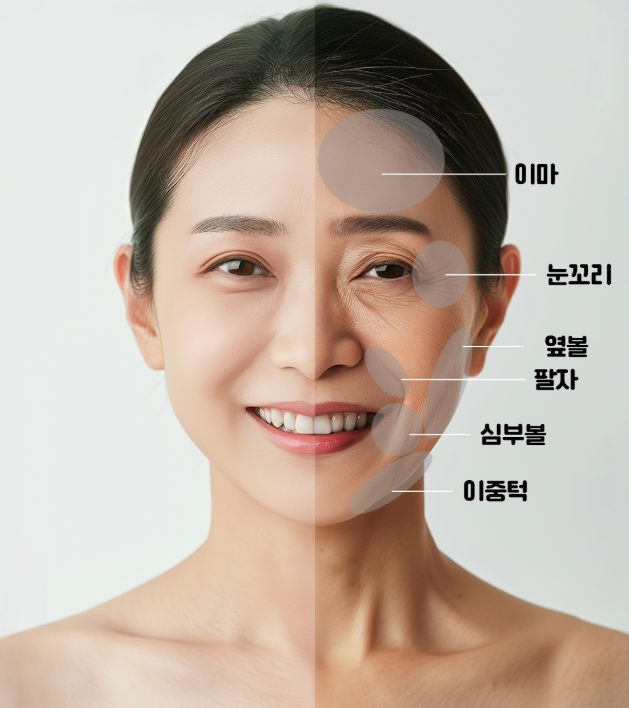
Thread lifting is suitable for patients with moderate skin laxity who do not wish to undergo surgical facelifts. It shows high satisfaction rates, particularly in the following areas:
- Cheeks/Midface: Lifts sagging cheeks due to gravity with cog threads to improve the V-line.
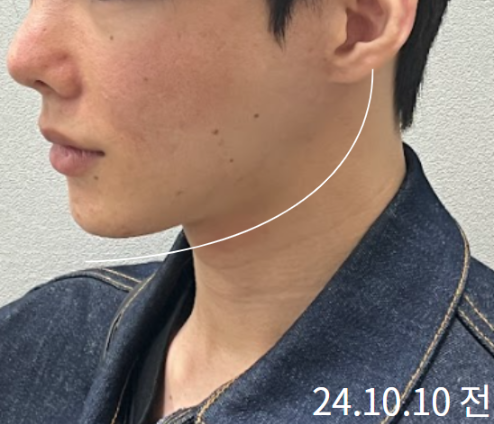
- Jawline/Double Chin: Lifts sagging tissue below the jaw to define the jawline.
- Eyebrows/Forehead: Improves eyebrow ptosis and forehead wrinkles using mono or cog threads.
- Neck Wrinkles: Can improve horizontal or vertical bands on the neck skin with mono threads.
However, for severe skin laxity (Grade III-IV), combination protocols with energy-based lifting treatments like Ultherapy or InMode may be more effective than thread lifting alone. Therefore, precise skin assessment and personalized treatment planning are essential before the procedure.
Post-Procedure Care and Precautions
For 1-2 weeks after thread lifting, tightness, mild swelling, and bruising may occur in the treated area, which are normal responses as the threads settle into the tissue. It is recommended to avoid excessive facial expressions, strong massages, and high-temperature saunas for about 2-4 weeks post-procedure. Since it takes approximately 4-8 weeks for the threads to stabilize within the tissue and for surrounding collagen to form, the final results are best evaluated 1-2 months after the procedure.
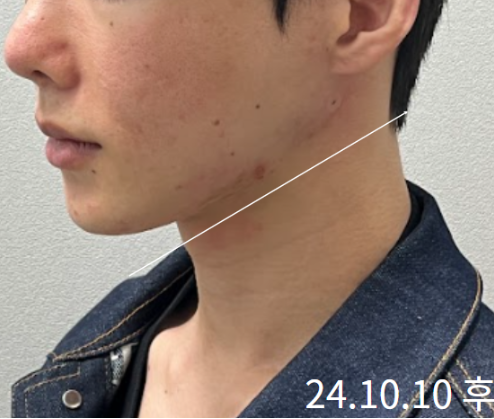
The Key to Thread Lifting Results — The Practitioner's Anatomical Judgment
The outcome of thread lifting depends more on how accurately the practitioner understands the anatomical structures of the face than on the thread material or brand. The facial area contains sensitive structures such as branches of the facial nerve, the parotid duct, and the superficial temporal artery. If the insertion direction, depth, or fixation points of the threads are inappropriate, side effects like asymmetry, pulling sensations, skin depressions, or thread protrusion can occur.
Therefore, thread lifting is not merely a 'thread insertion procedure' but a structural lifting strategy that involves comprehensively analyzing the patient's skeletal structure, fat distribution, skin thickness, and aging patterns to design optimal vectors and anchor points.
BA Clinic Consultation Information
At BA Clinic, we precisely analyze the patient's facial structure and degree of aging before thread lifting and Miracu procedures to design a personalized plan for thread material, shape, and insertion path. We also offer consultations for combination protocols with energy-based treatments such as Ultherapy and InMode. If you are concerned about sagging and loss of elasticity, please feel free to contact us.