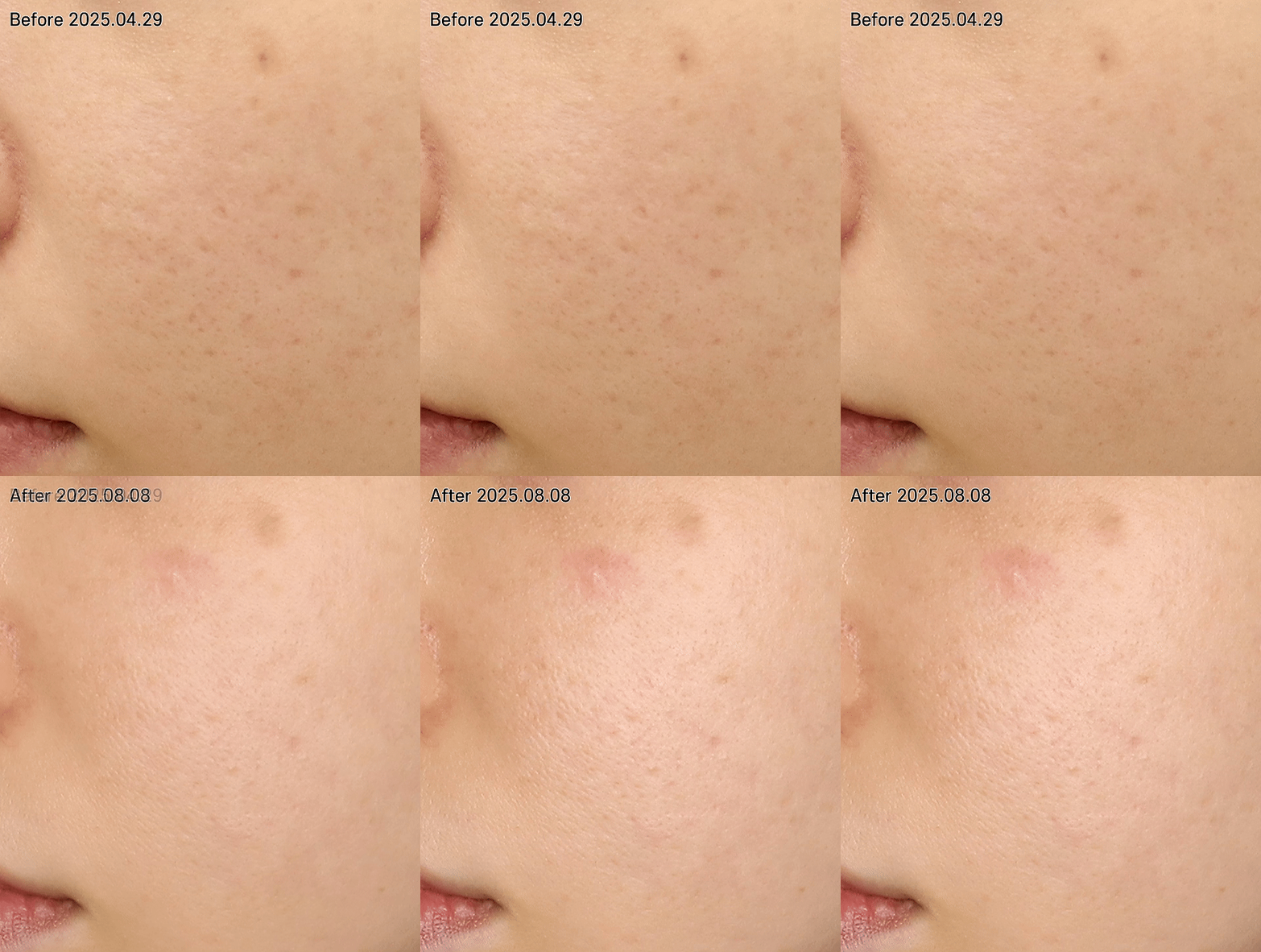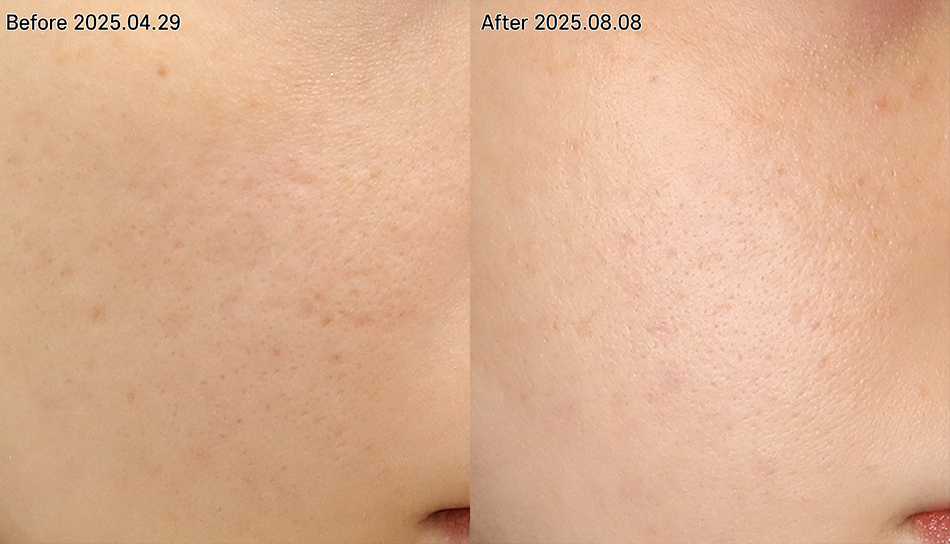
Subcision Technique Using Fillers
Depressed (indented) scars left after acne occur because the skin is pulled down by fibrotic adhesions in the lower dermis. In such cases, it is difficult to completely resolve the adhered fibrous bands with simple regeneration treatments or laser therapy alone. Therefore, achieving structural 'release' of the skin and securing space for dermal regeneration are key.
Limitations of Conventional Subcision
Subcision is a method that helps the skin lift up by cutting the fibrous bands beneath the scar using a special needle (such as a blunt cannula or Nokor needle).
However, conventional methods have the following limitations:
Insufficient Durability – After cutting the adhesions, the skin may be pressed down again, leading to re-adhesion.
Collapse of Skin Space – If the space is not properly maintained immediately after cutting, the depression may reappear before collagen remodeling occurs in the dermis.
Bruising and Swelling – There is a higher risk of blood vessel damage and bleeding, resulting in a longer recovery period.
Principle of Filler-Assisted Subcision
To overcome these limitations, subcision techniques combined with fillers have recently gained attention.
The core principle is to maintain a 'physical space' by injecting filler immediately after cutting the fibrous bands.
Adhesion Release: Cutting the fibrous bands with a subcision needle.
Space Creation: Injecting a small amount of filler between the dermis and subcutaneous tissue to support the collapsed structure.
Providing Time for Regeneration: Allowing time for the skin to fill up, preventing re-adhesion and enabling collagen to reform.
This method is not just about volume replenishment; it acts as a 'spacer' to stabilize the effects of subcision.
Characteristics of Fillers Used
It is crucial to select fillers with appropriate physical properties for the treatment's purpose.
If the filler is too firm, it may interfere with the natural movement of the scar area.
If it is too soft, its ability to maintain space may be compromised.
In addition to hyaluronic acid fillers, bio-stimulatory fillers (e.g., poly-lactic acid-based) or collagen boosters that induce autologous tissue regeneration can also be used in combination.
Clinical Advantages
Prevention of Re-adhesion: Maintains consistent spacing between skin layers, minimizing new fibrous adhesions.
Promotion of Collagen Remodeling: Facilitates the natural healing process of the dermis by maintaining space.
Immediate Improvement: Provides immediate volume correction for depressed areas, leading to high patient satisfaction.
Reduced Side Effects: Relatively less bleeding and swelling, with a shorter recovery period.
Precautions During Procedure
Precise control of injection depth at each layer is necessary. Excessive subcutaneous injection can cause unnecessary elevation or unevenness.
The direction of incision and injection depth should vary depending on the scar morphology (rolling, boxcar, icepick).
Using a blunt cannula is recommended to prevent bruising and swelling.
Conclusion
Filler-assisted subcision is a treatment that goes beyond simple depression correction to structurally restore the skin's regenerative environment.
It differentiates itself by resolving the re-adhesion issues of conventional subcision while providing the skin with 'time and space to heal itself' through the space-maintaining effect of the filler.
At BA Clinic, based on these treatment principles, we apply customized filler subcision protocols tailored to the scar's shape, skin thickness, and recovery potential. We approach scar reconstruction not merely by filling depressions but by restoring the skin's structure.